Silver Strand Architecture Styles: Beach Cottages to Modern Homes
December 11, 2025
December 11, 2025
From storybook cottages to sleek glass-and-stucco builds, Silver Strand shows the full arc of coastal architecture in Ventura. If you are weighing a cozy classic against a modern rebuild, you are not alone. Buyers come for sun, surf, and walkability, while sellers often weigh renovation versus starting fresh. In this guide, you will learn what styles you will see, what the coast asks of homes, and the permits, materials, and maintenance that matter most. Let’s dive in.
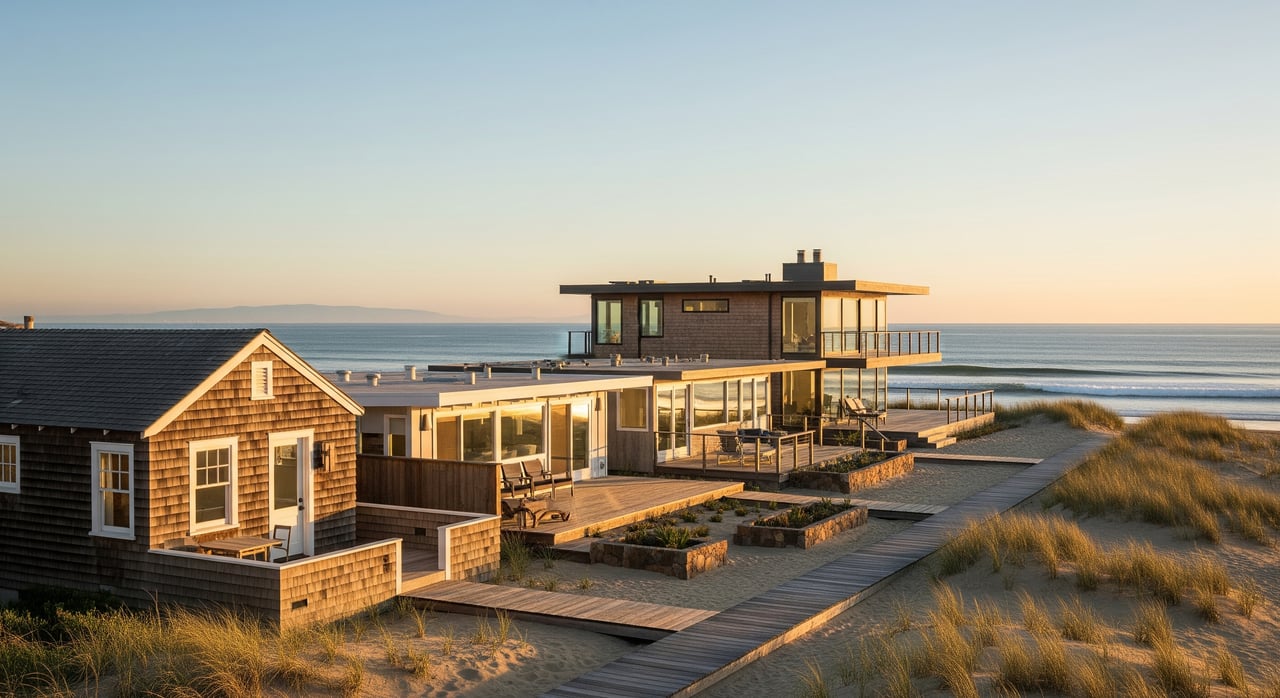
Silver Strand is a narrow beachfront neighborhood on Ventura’s waterfront, close to Ventura Harbor. Many lots are small or irregular, and homes range from mid-century cottages to multi-story coastal moderns that maximize ocean views. Renovations and rebuilds are common as owners update older structures to suit today’s coastal living.
Buyers often seek proximity to the sand, natural light, and a relaxed beach lifestyle. Sellers look to capture value from modernized finishes, view corridors, and scarce ocean-adjacent lots. Properties with direct beach access or strong views typically command premiums, but values can be sensitive to inventory, insurance costs, and climate risk.
Many cottages date from the 1930s to the 1960s. Typical traits include 1 to 1.5 stories, simple gable or hip roofs, wood-frame construction, shingles or lap siding, and small porches or decks. Garages may be single-car or replaced by street parking.
You will likely love the charm and the classic beach vibe. Cottages can have lower initial prices than newer builds, but many are underbuilt by modern standards. Expect buyers and sellers to consider mechanical upgrades, structural work, or full rebuilds.
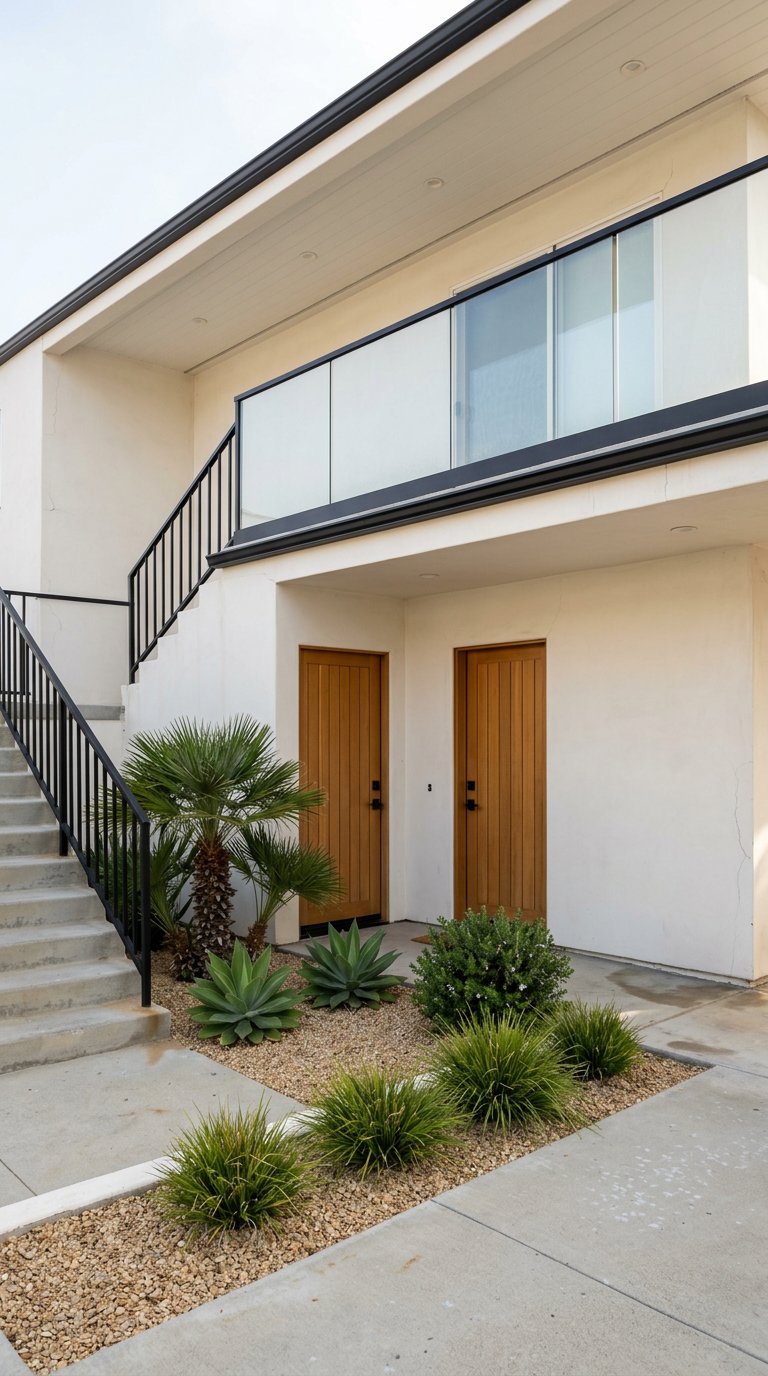
Homes from the 1950s to 1970s often feature single-story layouts, low-pitched roofs, broader windows, and more open living spaces than earlier cottages. These can be good candidates for modernization without a complete tear-down.
If you want a blend of character and practicality, this era can be appealing. You can often open the floor plan further, update glazing and insulation, and refresh finishes for a comfortable coastal home.
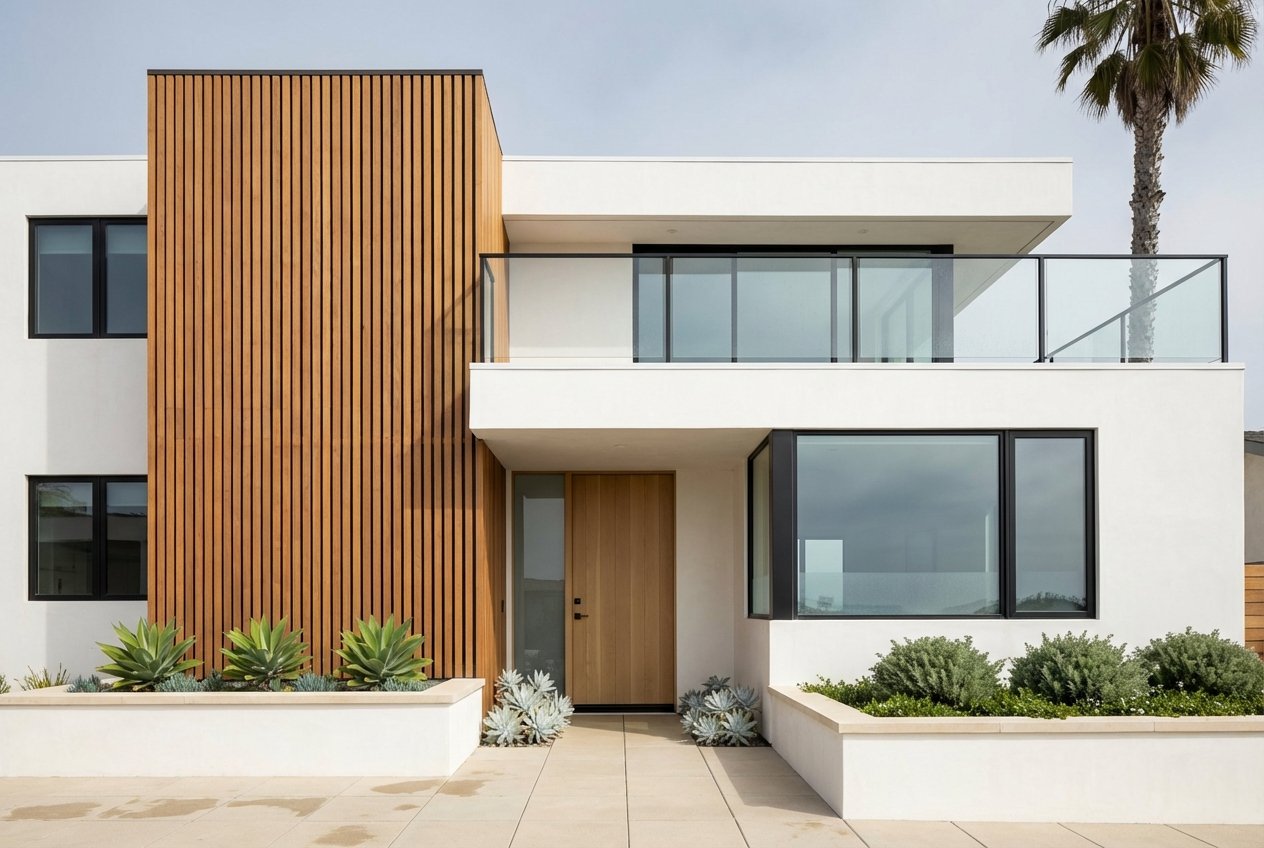
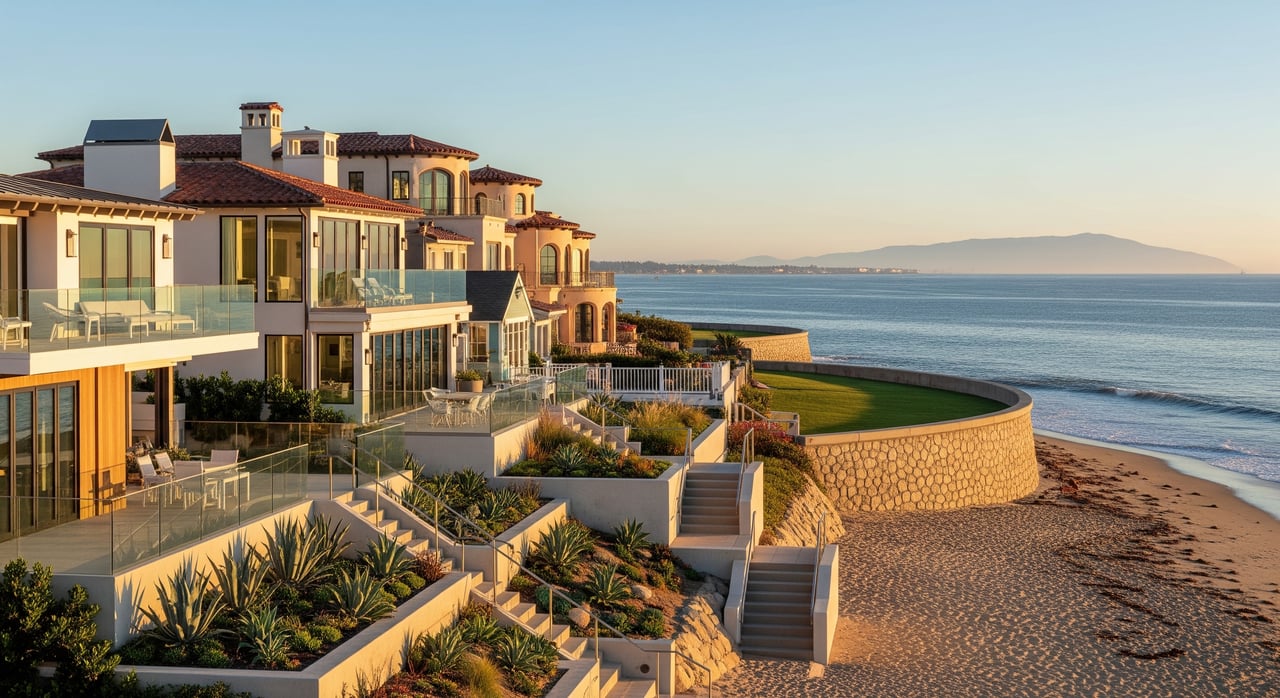
From the 1990s to today, Silver Strand has seen a steady wave of modern beach homes. Designers stack living space vertically to capture light and view lines. You will see large sliding doors, rooftop decks, stucco or cement-board siding, glass railings, and metal accents.
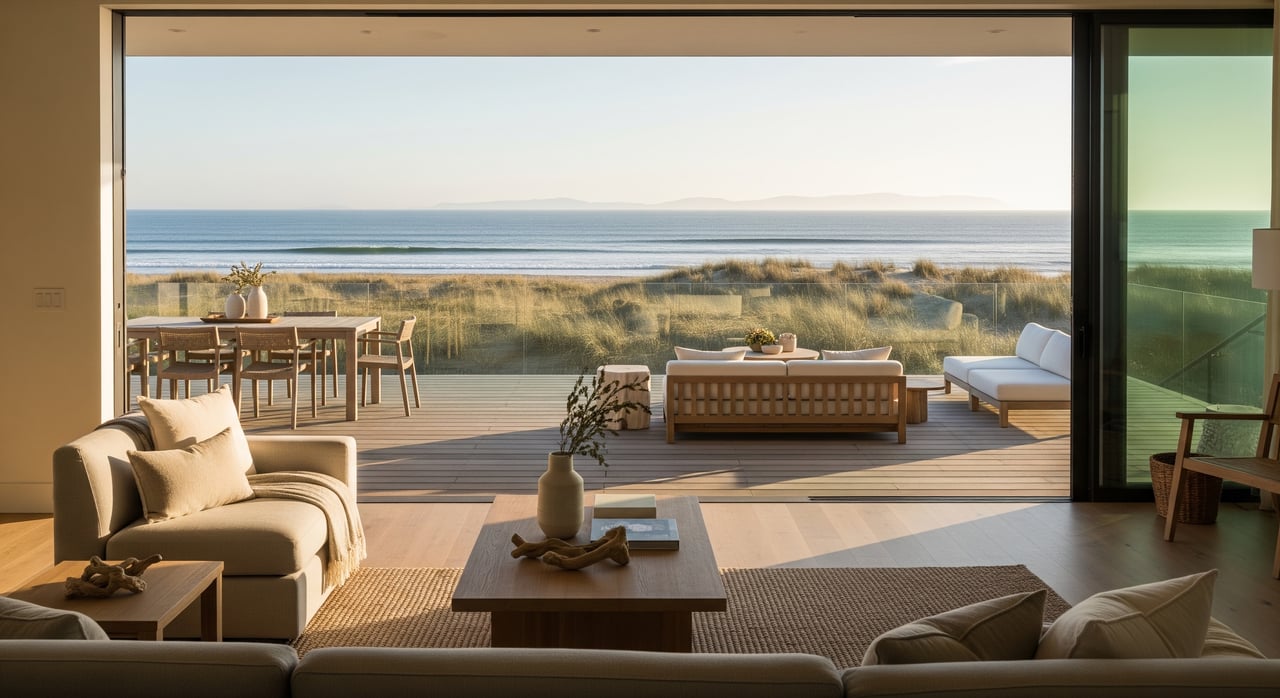
These homes command top prices and often replace older cottages on the same narrow lots. Open floor plans, durable coastal materials, and indoor-outdoor living are common goals.
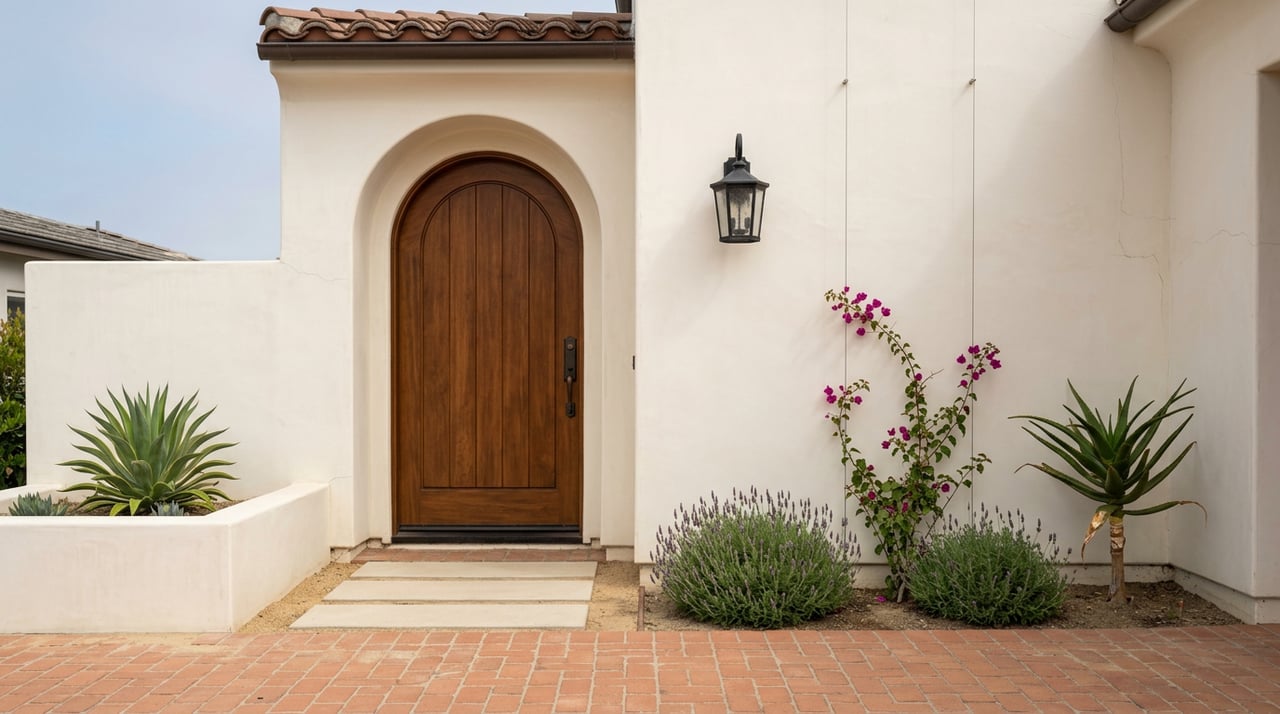
In pockets, you will spot porches with tapered columns, exposed rafters, and trim details that nod to Craftsman or other revival styles. These features show up both on preserved homes and on rebuilds that blend traditional elements with modern performance.
Accessory Dwelling Units are increasingly popular for added living space or rental flexibility. State law supports ADUs across California, and local rules still apply. The City of Ventura provides guidance on zoning, size, setback, and parking for ADUs, which you should review during planning.
The Ventura coast faces ongoing erosion and long-term sea-level rise. Shoreline protection structures, such as seawalls, are tightly regulated. Many projects require consistency with the Coastal Act and local coastal policies. For policy and permit context, review the California Coastal Commission’s guidance on coastal development and LCPs. To visualize potential future water levels, explore the NOAA Sea Level Rise Viewer.
Silver Strand parcels may fall within FEMA-designated flood zones, which can affect mandatory flood insurance and design requirements for foundations and utility elevations. Before you buy or plan major work, check your parcel on the FEMA Flood Map Service Center and ask for any available Elevation Certificate.
Sandy soils and surf exposure often require deepened footings or pile foundations for new construction. Elevated designs are common on lots in higher-risk flood zones to reduce damage. Older homes may need seismic retrofits when permits are pulled for significant remodels.
Salt spray accelerates corrosion of metals and shortens the life of exterior finishes. Stainless hardware, marine-grade coatings, and fiber-cement siding can hold up better over time. Plan for more frequent maintenance cycles than inland homes.
Humidity, wind-driven rain, and salt can drive moisture intrusion at siding, decks, and window assemblies. Older wood framing may show rot or termite activity. The University of California’s extension network publishes practical guidance on coastal maintenance and wood protection; browse resources at UC ANR for general tips.
Most projects will pass through the City’s Planning Division and Building & Safety for zoning, building permits, and in many cases Coastal Development Permits. Start with the City’s website to confirm setbacks, height limits, and whether your parcel sits inside the Coastal Zone. Visit the City of Ventura for planning and permit pages.
Projects near the shoreline or affecting public access, shoreline protection, or view corridors can trigger Coastal Commission review and potential appeals. City decisions must align with the Local Coastal Program. Learn more about coastal review at the California Coastal Commission.
If your lot is in a Special Flood Hazard Area, regulations may dictate finished-floor elevations, flood vents, and utility placement. Lenders often require flood insurance in these zones, so documentation is important.
New construction and significant remodels must meet current seismic, wind, and energy standards. California’s energy code and solar requirements affect design and costs. Review energy code information at the California Energy Commission and statewide codes via the California Building Standards Commission.
If a property has a local historic designation or sits in a design overlay, exterior changes may be limited. Confirm any designations with City Planning early in your timeline.
California has streamlined ADU approvals statewide. Ventura applies local standards for size, setbacks, and parking, consistent with state law. Check current City guidance before you draw plans.
Fiber-cement siding, stainless or galvanized fasteners, and marine-grade hardware perform well at the beach. Composite decking and robust flashing details help manage moisture. Avoid untreated wood in exposed locations, and plan for protective coatings and regular refinishing.
Pile-supported or deepened foundations are common where soils are poor or scour is a concern. Elevated floor systems help manage flood risk in V or VE zones. Strong shear-wall detailing and seismic fastening are standard under the building code.
High-quality coastal glazing, careful flashing, and durable frames can reduce leaks and extend service life. In higher wind exposures, impact-rated assemblies may be required or preferred and can be viewed favorably by insurance underwriters.
Low-slope roofs require diligent waterproofing and maintenance. Pitched roofs may last longer depending on materials and exposure. Decks near the surf should use stainless hardware, robust membranes, and regular inspection.
Elevating mechanical equipment and protecting penetrations reduces corrosion. Consider sealed ductwork and components designed for coastal environments to extend service life.
Budget for shorter repaint cycles, periodic hardware replacement, and routine envelope checks. Regular inspections can catch small issues before they become costly repairs, especially in older cottages.
Insurance premiums for coastal homes are often higher than inland properties, and flood insurance may be required for mortgages in designated flood zones. Elevation, mitigation, and distance from the surf can factor into policy pricing. The stability of California’s insurance market and any FAIR Plan changes can also affect availability.
Lenders may require Elevation Certificates, flood coverage, and engineering reports in certain zones. Keeping thorough records helps with both financing and resale.
For resale, buyers tend to pay premiums for ocean views and modernized design. Clear documentation of remodel permits, coastal approvals, and inspection reports helps avoid escrow delays and supports value.
Older cottages deliver charm and walk-to-the-sand living. If the structure is sound, strategic upgrades to systems, insulation, windows, and finishes can go a long way. Preserving scale while improving performance is a common path on smaller lots.
If your goals include multiple stories, larger decks, and expansive glazing, a tear-down and rebuild may fit better. Expect a more complex permit process if your lot is near the shoreline or involves coastal hazards, public access, or shoreline protection. Early conversations with the City and, when applicable, the Coastal Commission can help set realistic timelines.
Choosing between an authentic cottage and a modern beach build is a big decision. You want clear guidance on coastal rules, maintenance realities, and resale potential. As a boutique coastal brokerage serving Ventura County’s beach neighborhoods, Stark pairs neighborhood-first expertise with premium listing presentation and full-service sales support.
Whether you are planning to sell a modern rebuild or considering a classic cottage purchase, we help you evaluate the property through a coastal lens, understand market positioning, and present your home with the polish it deserves. If you are an owner or investor, our rental and property management services provide continuity that protects value over time.
Ready to talk Silver Strand strategy? Connect with Stark Realty Inc. for local insight and a tailored plan.
Stay up to date on the latest real estate trends.
Stark Realty Inc. offers Oxnard and Ventura coastal expertise, decades of local service, and comprehensive support—homes, rentals, land, and auctions. Let them guide your real estate journey with integrity, knowledge, and community-centered care.