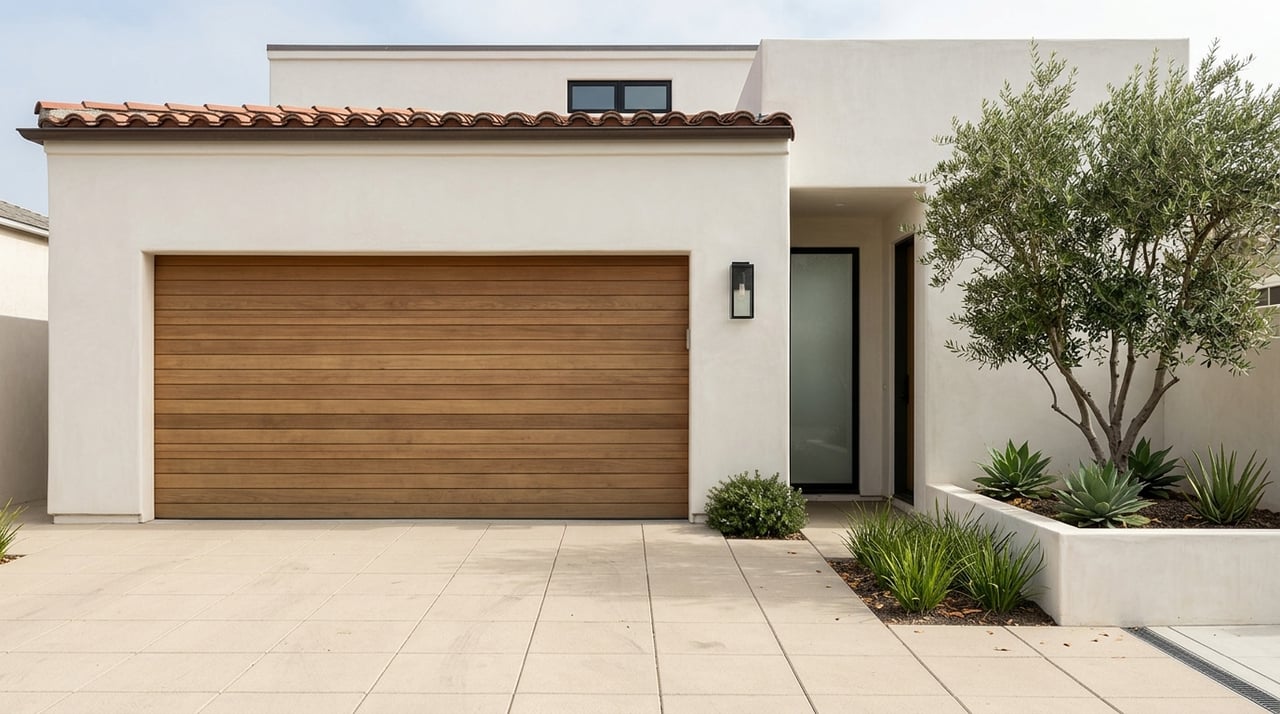
Maximizing Your Ventura Coastal Home Sale From Listing To Close
April 23, 2026
April 23, 2026
If you are selling a coastal home in Ventura, a great sale rarely happens by accident. Buyers are still active, but they are more selective, more online-first, and more likely to notice pricing mistakes or missing paperwork. When you understand how to prepare, price, market, and manage the closing process, you put yourself in a much stronger position from day one. Let’s dive in.
Ventura remains a workable market for sellers, but it is not the kind of market where almost any price will work. Redfin’s Ventura housing data shows a median sale price of $870,000 in March 2026, with homes selling in about 44 days and nearly 29.9% of listings taking a price cut.
That tells you something important. Buyers are still purchasing, but many are not rushing past condition issues, weak presentation, or overpricing. For a coastal seller, that means your strategy needs to be disciplined from the start.
Broader county numbers reinforce the same point. Ventura County data cited by SCAG for 2025 showed inventory up 43% year over year, while Realtor.com county data summarized in the research pointed to a 99% sale-to-list ratio and 43 median days on market. In other words, strong homes can still sell well, but competition and buyer choice matter.
One of the biggest mistakes coastal sellers make is assuming their location alone will carry the sale. Coastal appeal absolutely matters, but buyers also compare your home against current alternatives, recent sales, condition, and how much work they think they will need to do after closing.
That is why pricing early and accurately matters so much. The right list price can help you attract attention quickly, protect your negotiating position, and avoid becoming one of the many listings that need a reduction later.
This is also where professional guidance matters. According to the NAR 2025 Profile of Home Buyers and Sellers, sellers most wanted help with marketing the home, pricing it competitively, and selling within a specific timeframe. In a coastal market where presentation and timing can affect momentum, those priorities are especially relevant.
A successful Ventura coastal sale often starts well before the listing goes live. The better your home looks and the more complete your documentation is, the fewer surprises you are likely to face once buyers begin asking questions.
Staging remains a practical tool, not just a design upgrade. The NAR 2025 staging snapshot found that 83% of buyers’ agents said staging made it easier for buyers to picture a property as their future home, and 60% said staging affected some buyers.
For most homes, the highest-impact rooms are the living room, primary bedroom, and dining room. If your coastal home has natural light, indoor-outdoor flow, or view corridors, thoughtful staging can help those features read clearly in person and online.
Ventura sellers should not wait until escrow to start hunting for records. The City of Ventura public records portal provides access to recorded permit history for an address, and the city requires a Building Records Disclosure Report to be disclosed to the buyer when entering into a sale or exchange agreement for any building.
This is a major step in a smooth transaction. If improvements were made over time, especially in a coastal property where buyers may look closely at alterations, decks, windows, or structural changes, having records ready can save time and reduce uncertainty.
If your property is in the coastal zone, documentation can be even more important. The City of Ventura notes in its coastal-development guidance that development may require a Coastal Development Permit, and development includes new construction, demolition, and certain alterations or reconstruction.
That does not mean every seller has a problem to solve. It does mean you should review prior work carefully and make sure your file is as complete as possible before your home hits the market.
Disclosures are not a side task in a Ventura coastal sale. They are a core part of protecting your transaction and helping serious buyers move forward with confidence.
California law requires sellers of single-family homes to provide a Transfer Disclosure Statement as soon as practicable before transfer. State hazard-disclosure rules also require disclosure of known location in certain mapped hazard areas when applicable, including flood, inundation, very high fire hazard severity, earthquake fault, seismic hazard, and wildland fire areas.
For coastal homes, this matters even more because coastal conditions are part of the real-world due diligence picture. The California Coastal Commission’s sea-level rise science guidance says sea-level rise increases flooding, inundation, wave impacts, coastal erosion, and bluff instability. The research also cites Ocean Protection Council guidance noting that storms plus sea-level rise can worsen coastal flooding, bluff or cliff erosion, and beach loss.
The key takeaway is simple: complete, timely disclosure helps your sale move forward with fewer surprises.
If your home is part of a common-interest development, your disclosure package will likely be more detailed. Under California Civil Code Section 4525, owners must provide governing documents and related transfer disclosures, and the association must provide requested documents within 10 days of written request.
If you are selling a condo or HOA property near the coast, it is smart to request those materials early. That gives you more control over timing and reduces the chance of delays after an offer is accepted.
Today, your listing usually makes its first impression on a screen, not at the front door. That is especially true for coastal homes, where buyers often compare views, outdoor spaces, layout, and finishes online before they ever decide to visit.
The NAR 2025 generational trends report found that 43% of buyers started by looking online for properties. The features buyers found most useful were photos, detailed property information, floor plans, virtual tours, neighborhood information, and videos.
That means premium presentation is not optional if your goal is to maximize interest. Professional photography, strong property descriptions, clear room flow, and a polished digital experience all help buyers understand the value of your home before they book a showing.
For a Ventura coastal property, strong marketing should also communicate what makes the home function well day to day. That might include natural light, storage, outdoor living, layout flexibility, or proximity to the shoreline and local amenities. Clear facts and high-quality visuals help buyers connect the listing to their lifestyle goals.
When offers arrive, it is tempting to focus only on the headline number. But the best offer is not always the one with the highest purchase price.
National Association of Realtors data cited in the research shows that 26% of buyers paid all cash on average over the last year, and the median down payment was 19%. Combined with Ventura’s more selective market conditions, that suggests sellers should weigh financing strength, contingencies, inspection terms, and the likelihood of closing on time alongside price.
A slightly lower offer with stronger terms may create a better outcome than a higher offer that carries more risk. If your goal is to maximize your net and reduce stress, offer quality matters just as much as offer size.
Once you accept an offer, the transaction shifts from marketing to execution. This is where many coastal sales are either protected by preparation or slowed down by missing documents and late-stage questions.
The California Department of Real Estate’s consumer guidance explains that escrow is typically handled by a neutral third party, the title company searches ownership history and liens, and a final walk-through is part of closing. The closing statement then outlines the credits and debits in the transaction.
For Ventura coastal homes, a smooth escrow often depends on assembling the file early. That can include the TDS, hazard disclosures, the city Building Records Disclosure Report, permit history, coastal approvals if relevant, and HOA transfer documents when applicable.
This prep-heavy approach is one of the clearest ways to keep your sale moving. It helps answer buyer questions faster, reduces avoidable renegotiation pressure, and supports a more confident closing process.
Your final sale result is about more than contract price. You also need a clear picture of costs, credits, and what you are likely to net at closing.
Ventura County notes that property taxes are collected locally, and under Proposition 13 the base tax rate is generally limited to 1% plus voter-approved assessments, with reassessment when ownership changes. While that mainly affects the property after transfer, it is part of the larger closing picture and helps explain how the transaction is settled.
Reviewing your estimated seller proceeds early can also help you make better decisions about pricing, repairs, staging, and negotiation. When you know your likely bottom line, you can evaluate offers more strategically and avoid reacting only to the gross sale number.
Coastal home sales in Ventura are rarely just standard transactions with a better view. They often involve a mix of market timing, digital presentation, permit review, disclosures, and close coordination through escrow.
That is why many sellers benefit from a boutique, hands-on approach. In a process where pricing discipline, premium marketing, and documentation all affect the outcome, attentive local guidance can make the sale feel more organized and less stressful.
If you are thinking about selling your Ventura coastal home and want a smart plan from listing to close, connect with Stark Realty Inc. for local insight, high-touch service, and a strategy built around your property and timeline.
Stay up to date on the latest real estate trends.






Stark Realty Inc. offers Oxnard and Ventura coastal expertise, decades of local service, and comprehensive support—homes, rentals, land, and auctions. Let them guide your real estate journey with integrity, knowledge, and community-centered care.