Designing A Low-Maintenance Silver Strand Beach Home
June 4, 2026
June 4, 2026
If you picture beach living as effortless, Silver Strand will quickly remind you that the coast has its own rules. Salt air, wind-driven moisture, and blowing sand can all add wear to a home faster than many buyers expect. The good news is that a low-maintenance Silver Strand beach home is possible when you design around those local conditions from the start. Let’s dive in.
Silver Strand is part of the unincorporated Channel Islands Beach area in Ventura County, where coastal exposure is a daily part of homeownership. The Channel Islands Beach Community Services District handles water, wastewater, and solid-waste collection, while Ventura County handles some beach maintenance and only removes sand from roads when buildup blocks travel or enters drainage structures.
That matters because the main upkeep pressure here is not just normal wear and tear. In Silver Strand, the bigger issues are salt, sand, and moisture. A home that works well in an inland neighborhood may need very different materials and storage solutions near the beach.
One of the smartest ways to reduce maintenance is to limit how much salt can attack your home’s exterior hardware and structure. FEMA’s coastal corrosion guidance recommends stainless steel connectors and fasteners as a best practice in oceanfront and near-ocean areas. It also points to thicker galvanizing or stainless steel where salt buildup is expected.
For you as a homeowner, that means it is worth looking closely at the hidden parts of a home as well as the visible finishes. Fasteners, brackets, connectors, and exterior metal details may not stand out during a showing, but they can affect long-term upkeep in a coastal setting.
These choices do not make a home maintenance-free. They do help reduce the number of surfaces and parts that can break down faster near the ocean.
In a beach environment, simple often means easier to maintain. Based on FEMA’s corrosion guidance, it is reasonable to favor home designs with fewer exposed metal parts and less fussy exterior detailing, especially where salt can collect.
That could mean choosing smooth finishes over heavily layered trim or selecting railings, fixtures, and hardware with durability in mind. The less your exterior depends on small exposed parts, the easier it may be to keep up with routine care.
Coastal wear is not only about what you can see from the street. FEMA notes that wind-driven moisture can cause leaks, corrosion, and dry rot around roof flashing and other openings. That makes regular inspection especially important around roof edges, windows, doors, and exterior penetrations.
If you are designing, remodeling, or evaluating a home purchase, pay close attention to these areas. Even a beautiful beach house can become high-maintenance if vulnerable spots are hard to access, hard to inspect, or easy for moisture to penetrate.
A low-maintenance home is often one that makes these checks simple. Good design supports easier monitoring before small issues turn into expensive repairs.
Sand is part of everyday life in Silver Strand, and that affects how your entry should work. Ventura County does not routinely clear beach sand from roads unless buildup blocks travel or enters drainage structures, so wind-driven sand is something you should expect and plan for.
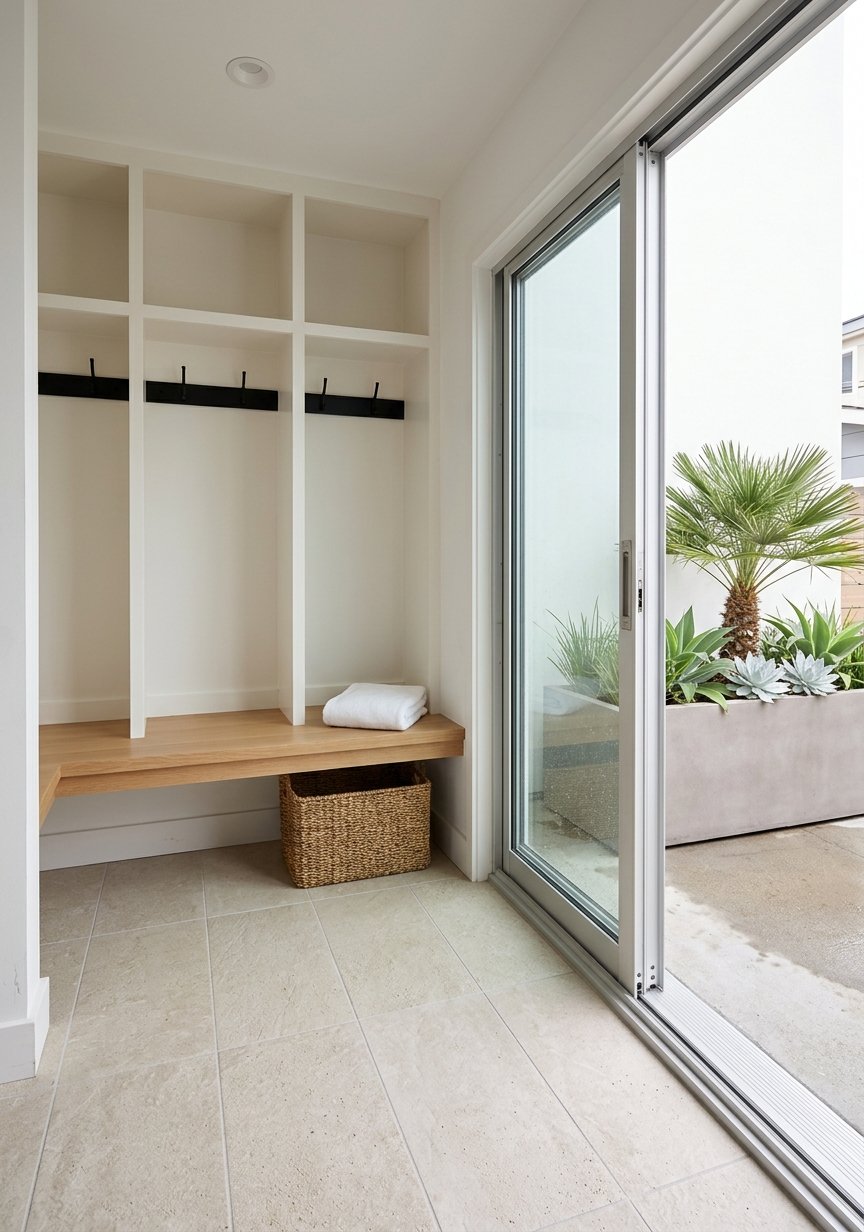
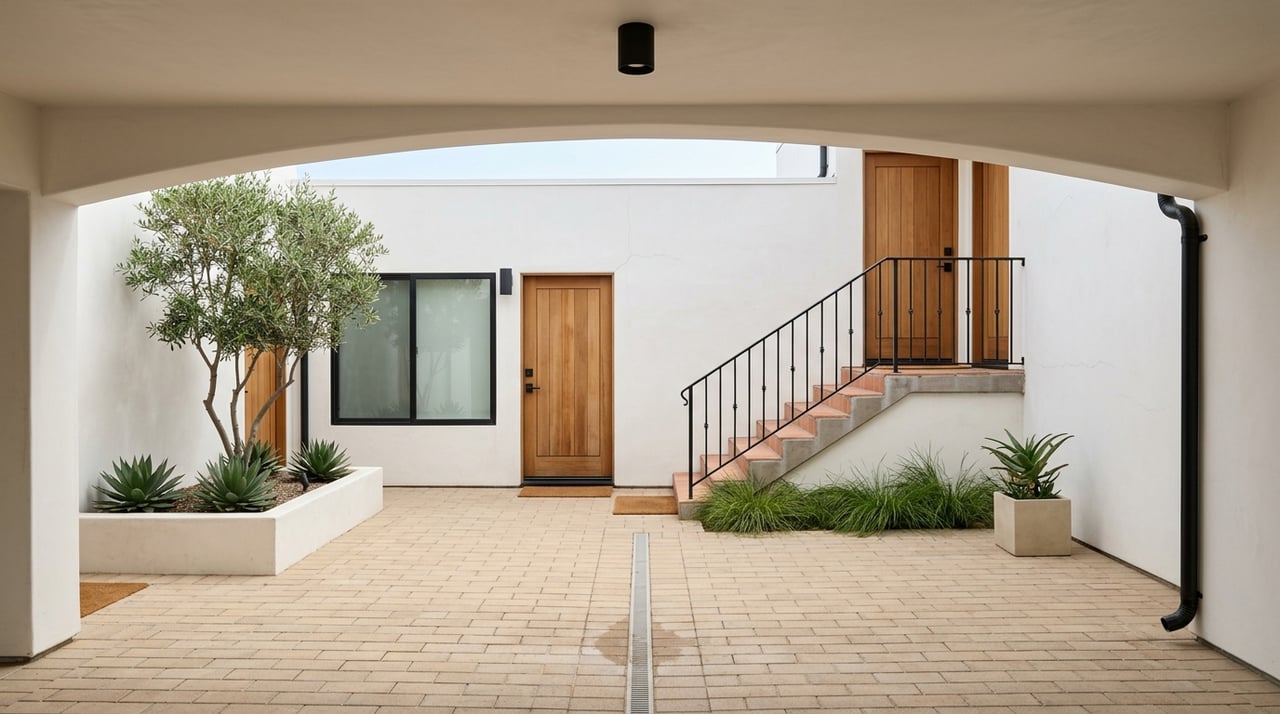
That is why one of the most practical design ideas for a Silver Strand home is a dedicated sand zone near the entry. This does not need to be elaborate. It just needs to be intentional.
This kind of setup can help keep sand from spreading through the entire house. It also makes beach days easier, whether the home is your primary residence, second home, or rental property.
Low-maintenance living also depends on what you plant. Ventura County guidance says landscaped areas should use low-water-use plants and minimize turf. Regional guidance from Oxnard adds that Mediterranean and native plants can thrive together in southern Ventura County.
For Silver Strand, that makes a lot of sense. A coastal yard with lower water needs and plants suited to sandy, salt-aware conditions is usually easier to manage than a yard built around thirsty ornamentals or large turf areas.
Local examples cited in regional planning resources include:
These types of plants fit better with sandy coastal conditions than high-water ornamental choices. They can also help you create a yard that feels natural to the area while reducing irrigation demand and routine upkeep.
Traditional lawns often ask for more time and water than many beach homeowners want to give. Ventura County guidance supports minimizing turf, which aligns well with the goal of lower maintenance.
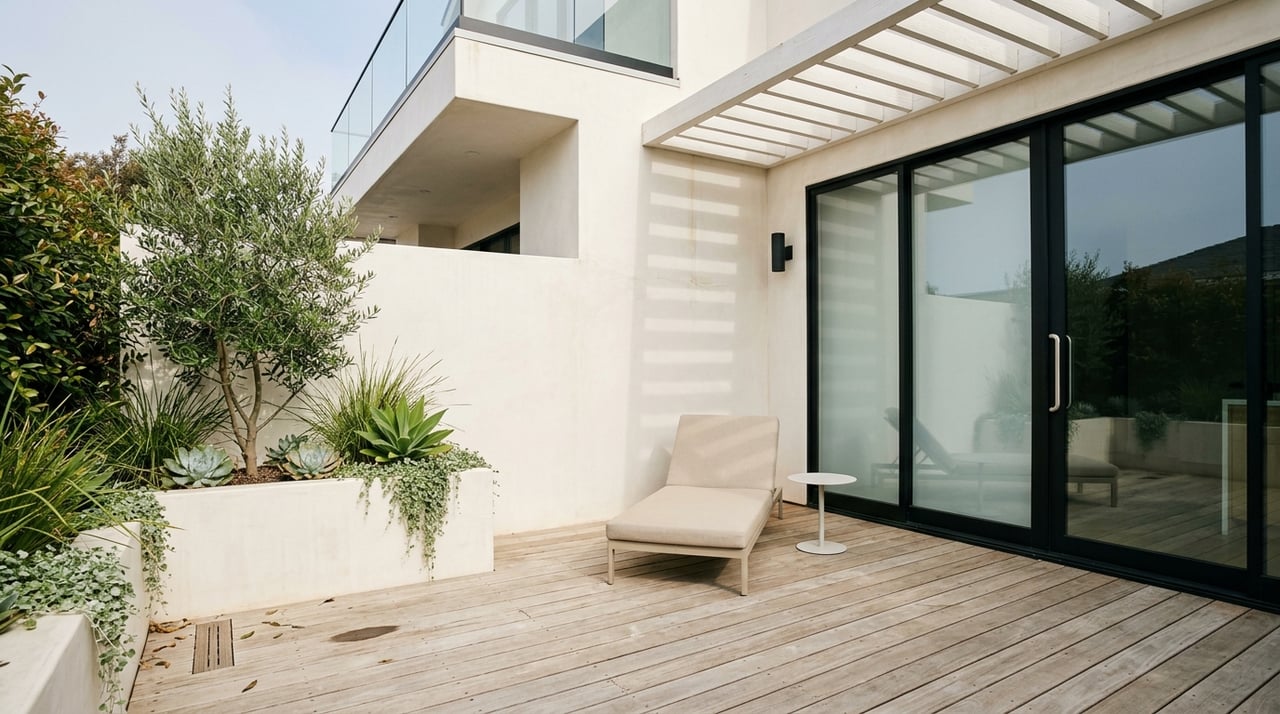
That does not mean your outdoor space has to feel sparse. You can still create a comfortable, attractive yard by using low-water planting areas, hardscape, and practical outdoor surfaces that are easier to sweep, rinse, and maintain.
If you are considering a home in an HOA-managed setting, it is helpful to be realistic about what that does for maintenance. An HOA may reduce some private yard work or handle common-area landscaping, but it does not remove the underlying coastal conditions that drive upkeep in Silver Strand.
There is also a specific California rule to know. AB 1572 bans potable-water irrigation of nonfunctional turf in HOA common areas beginning January 1, 2029. According to Oxnard’s summary, this applies to ornamental grass in common areas that does not provide a recreational benefit, but it does not apply to ordinary residential properties.
So an HOA can help with some shared responsibilities, but it also involves shared decisions and compliance with state law for common areas. If your goal is lower upkeep, it is smart to look beyond the HOA label and focus on the actual design, materials, and maintenance systems of the home itself.
The most useful mindset for Silver Strand is not chasing a maintenance-free beach house. It is designing for easier upkeep. In this coastal setting, that usually comes down to corrosion resistance, sand management, and water-wise landscaping.
If you are buying, renovating, or preparing to sell, these details can shape both day-to-day comfort and long-term ownership costs. A home that handles the beach environment well tends to feel more functional, more resilient, and less demanding over time.
At Stark Realty, we know coastal neighborhoods are not one-size-fits-all. If you are looking for a Silver Strand home that fits your lifestyle or preparing to position your property for the market, Stark Realty Inc. can help you make informed decisions with local insight.
Stay up to date on the latest real estate trends.
Stark Realty Inc. offers Oxnard and Ventura coastal expertise, decades of local service, and comprehensive support—homes, rentals, land, and auctions. Let them guide your real estate journey with integrity, knowledge, and community-centered care.