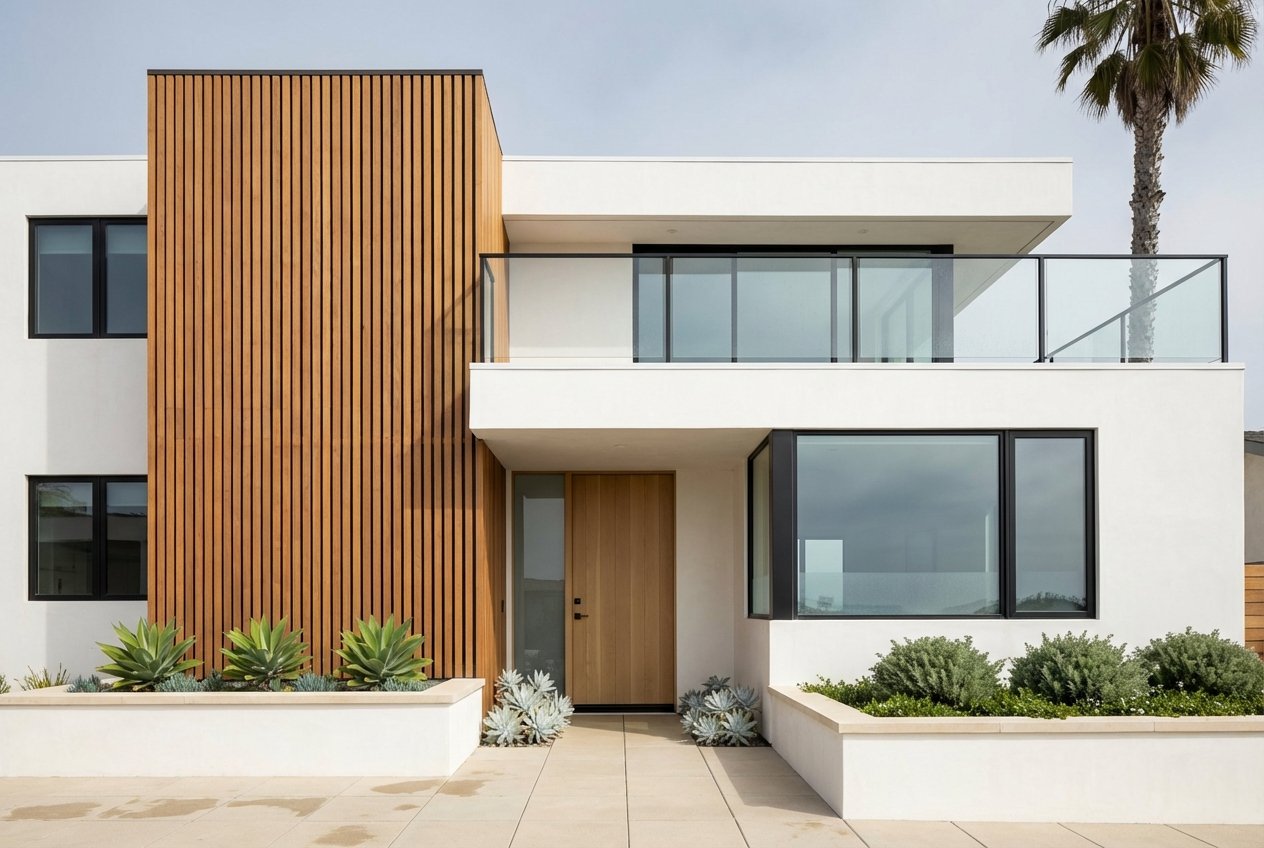
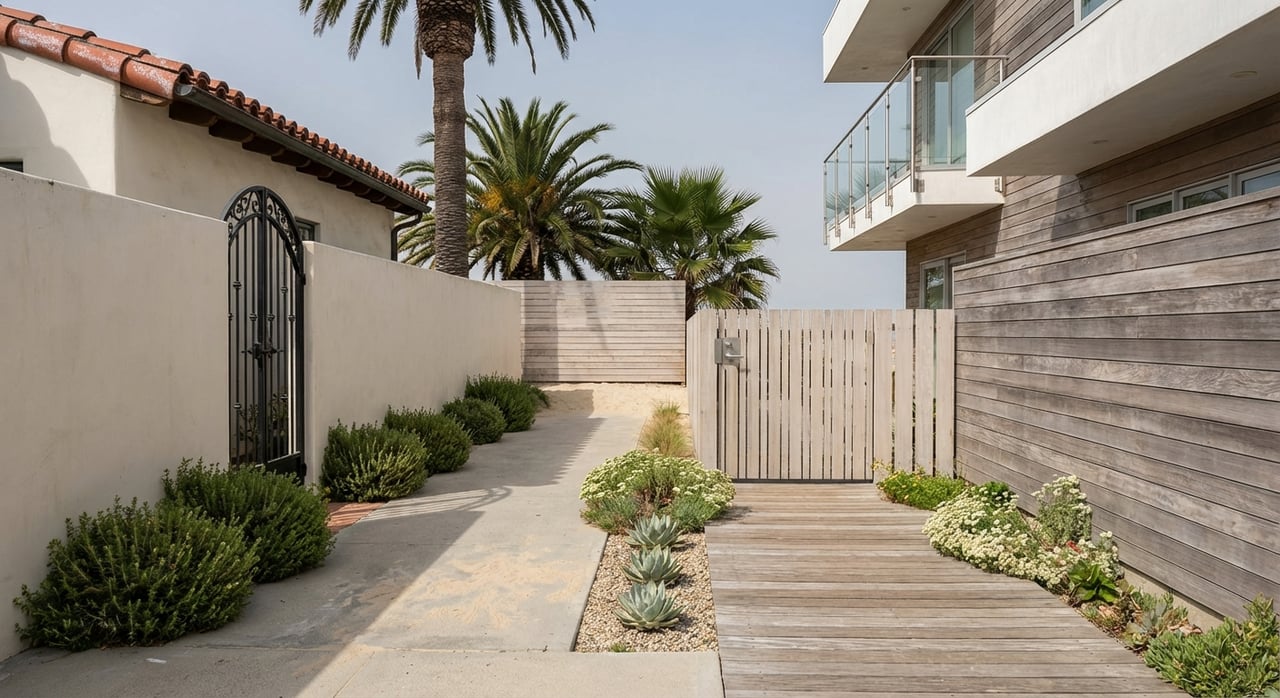
Are you eyeing a Ventura beach home and noticing prices that stretch past standard loan limits? If you plan to buy near the Pier, Ventura Harbor, or other coastal pockets, you may be looking at a jumbo loan. In this guide, you’ll learn what makes a loan jumbo, how lenders qualify you, which products fit different plans, and the Ventura-specific details that can affect approval and timing. Let’s dive in.
What makes a loan jumbo
A jumbo loan is any first mortgage that is larger than the conforming loan limit set by the Federal Housing Finance Agency. Conforming limits change every year and vary by county. When your loan amount is above the current Ventura County conforming limit, it becomes a jumbo.
FHA, VA, and USDA loans have different limits and rules. For higher-priced coastal homes, those programs often do not fit due to loan size caps and property eligibility.
Where jumbos appear in Ventura
Ventura’s coastal neighborhoods often command prices that put many purchases into jumbo territory. Areas with harbor frontage, Pier-adjacent streets, and other high-amenity zones frequently see listings that exceed the county’s conforming threshold for single-family homes and some condos.
To know if your target price requires a jumbo, confirm the latest FHFA limit for Ventura County and compare it to your planned loan amount. If your budget or desired down payment pushes you past that number, plan for jumbo underwriting.
Underwriting basics to expect
Jumbo loans carry stricter approval standards than typical conforming loans. Lenders focus closely on credit strength, income stability, and cash reserves.
- Credit score: Many lenders look for 700 or higher, with mid-700s and above getting the best pricing and higher allowable loan-to-value ratios.
- Debt-to-income ratio: Lenders often aim for about 43 percent or lower. Some may allow higher ratios with strong compensating factors like large liquid reserves or substantial assets.
- Loan-to-value: For primary residences, up to 80 percent LTV is common with strong credit. Second homes or investment properties usually have lower maximum LTVs.
Down payment and reserves
Your down payment strategy and reserve plan are central to jumbo approval and pricing.
- Down payment: A 20 percent down payment is a common benchmark for competitive pricing. Some niche or portfolio programs may allow 85 to 90 percent LTV, but with higher rates or tighter qualification standards.
- Reserves: Expect larger reserve requirements than conforming loans. Primary residences often require 6 to 12 months of PITI. Second homes and investment properties may require 12 months or more.
Building strong reserves does more than satisfy underwriting. It also helps you absorb higher insurance premiums or property tax adjustments common in coastal markets.
Income documentation options
Documentation is more detailed for jumbo loans, especially for self-employed buyers.
- Salaried buyers: Recent pay stubs, W-2s for the last two years, and employer verification are standard.
- Self-employed or 1099: Lenders commonly request two years of tax returns, a current year-to-date profit and loss statement, and K-1s if applicable.
- Alternative options: Some non-QM and portfolio programs allow bank statement qualification or asset-depletion calculations for buyers with strong assets but less traditional income.
- Assets and gifts: Be ready with statements for bank, retirement, and brokerage accounts. Gift funds may be permitted but can have specific restrictions.
Appraisals for coastal homes
Jumbo financing almost always requires a full appraisal. Along the coast, unique property features and limited comparable sales can complicate valuation. Lenders may order a second opinion or use appraisers experienced with coastal markets. Turn times can run longer than average, and appraisal fees are often higher.
For condos, expect extra review steps. Lenders want to see healthy HOA financials, adequate reserves, and limited litigation. Some lenders also set lower LTV caps for certain condo projects.
Rates and product picks
Jumbo rates behave differently than conforming rates. They often track Treasury yields and can be slightly higher or sometimes lower than conforming, depending on investor demand and market conditions. Pricing varies by lender, loan size, credit score, LTV, property type, occupancy, and documentation type.
Common jumbo products include:
- Fixed-rate jumbos: Best if you plan to hold the home long term and prefer predictable payments. A 15-year option typically offers a lower rate and faster equity build.
- ARMs like 5/1, 7/1, or 10/1: These offer lower initial rates and can fit if you expect to sell or refinance before the first adjustment. Be sure to model the adjusted payment.
- Interest-only options: Lower initial payments for cash-flow flexibility if you expect income to rise or plan a shorter hold. Payments can rise sharply when the interest-only period ends because you start paying principal.
- Non-QM and portfolio loans: Useful for asset-rich or non-traditional income profiles. Terms and pricing vary, and some programs may include features like prepayment penalties.
- Bridging and piggyback strategies: Bridge loans or a HELOC can help with down payment timing if you are also selling a current home. Structure these options carefully and confirm they work with your jumbo first mortgage.
Rate locks also vary. Some lenders offer long locks or a float-down feature if rates fall during escrow. Others do not. Ask about lock length, extension costs, and any float-down policies before you commit.
Ventura coastal factors to plan for
Local property traits and insurability play a big role in jumbo approvals and monthly costs.
- Insurance and flood zones: Many Ventura coastal properties sit in mapped flood zones that can require flood insurance. Premiums can be significant. Earthquake coverage is optional in most cases but can influence your overall risk and budget. High or hard-to-place insurance can affect debt ratios and reserve needs.
- Property taxes and supplemental bills: California’s Prop 13 limits annual increases for existing owners, but a new purchase triggers reassessment. You can receive supplemental tax bills after closing, which may require extra cash. Lenders include taxes in qualification, so confirm accurate estimates early.
- Title and coastal considerations: Easements, bluff setbacks, and other shoreline issues can affect lender risk and timing. Flag these items early in the contingency period.
- HOA and condo project health: Associations with low reserves or ongoing litigation can be challenging for jumbo lenders. Expect a thorough project review.
- Appraisal comparables and liquidity: Unique or luxury homes may have fewer comps. Be ready for closer scrutiny of value and possibly tighter LTV limits.
- Closing timeline: Jumbo underwriting and coastal appraisals can add a week or more to your closing. Build buffer into your escrow timeline and coordinate inspections, insurance quotes, and HOA documents early.
A simple jumbo prep checklist
Early preparation helps you write stronger offers and avoid delays:
- Confirm the current FHFA conforming loan limit for Ventura County to see if your target price requires a jumbo.
- Review your credit and resolve issues well before going under contract.
- Gather documents: pay stubs, W-2s, tax returns if self-employed, and recent bank and investment statements for reserves.
- Seek a pre-approval from lenders that actively originate jumbos, not just conforming loans.
- Request insurance quotes early, including flood and earthquake options if relevant.
- For condos, start HOA document collection early so your lender can complete the project review.
Smart lender shopping questions
When you compare lenders, use a focused set of questions so you can compare apples to apples:
- What are your reserve requirements in months of PITI for my profile and occupancy type?
- What is your maximum LTV for primary, second home, or investment purchases in my price range?
- Are gift funds allowed for down payment or reserves, and what are the conditions?
- How do you handle appraisal reviews for coastal properties? Do you require a second opinion above certain price points?
- What do you require for condo project approval near the coast?
- What is your typical jumbo timeline from application to closing?
- What lock options do you offer, and do you have a float-down feature?
- Can you provide a sample rate quote and a detailed loan estimate for my target size and terms?
Risk checks before you sign
Before you finalize your financing, stress test your plan:
- Payment shock: For ARMs and interest-only loans, model the payment at the first adjustment and at a higher conservative rate. Make sure it still fits your budget.
- Insurability: Verify that required flood or hazard insurance is available at a cost that works with your debt ratios and reserve plan.
- Valuation: If comps are scarce, plan for a potential appraisal gap. Consider a backup strategy for price negotiations or extra cash.
- Changing guidelines: Jumbo programs can shift quickly. Reconfirm terms and lock details around the time you make offers.
Ready to buy on the Ventura coast?
A well-structured jumbo can make your coastal purchase smooth and predictable. By confirming limits early, choosing the right product for your holding plan, and getting ahead of insurance, appraisal, and HOA items, you set yourself up for a clean closing.
If you want local guidance tailored to Ventura’s shoreline neighborhoods, our boutique team is here to help you navigate listings, contingencies, and timelines with confidence. Connect with Stark Realty’s coastal specialists for trusted, high-touch support from offer to close.
Ready to get started? Reach out to the team at Stark Realty Inc..
FAQs
What is a jumbo loan in Ventura County?
- A jumbo is any first mortgage above the FHFA conforming limit for Ventura County, which changes annually. Confirm the current figure with your lender.
How much down do Ventura coastal jumbo buyers usually need?
- A 20 percent down payment is common for competitive pricing and 80 percent LTV, though some programs allow higher LTVs at higher cost.
Do lenders require flood insurance near the Ventura Harbor or Pier?
- If a property sits in a mapped flood zone, lenders typically require flood insurance, which can raise monthly payments and reserve needs.
Are ARM jumbo loans a good fit for short-term plans?
- ARMs can lower initial payments if you plan to sell or refinance before the first adjustment, but they carry rate and payment-reset risk.
How long do jumbo purchases in Ventura usually take to close?
- Jumbo underwriting, coastal appraisals, and condo reviews can add a week or more to typical timelines. Start documentation and insurance quotes early.
Can self-employed buyers qualify for a Ventura jumbo loan?
- Yes, with full documentation like two years of tax returns and a year-to-date profit and loss. Some non-QM or asset-based programs may also work for strong asset profiles.