Dreaming about life by the water in Ventura, but not sure which coastal home type fits you best? You are not alone. From oceanfront houses to harbor condos, each option comes with its own lifestyle perks, maintenance needs, and rules. In this guide, you will learn the main coastal property types in Ventura, what to expect with permits and insurance, and a practical checklist to make smart decisions. Let’s dive in.
Ventura coastal market at a glance
Ventura stretches across beaches, harbor canals, and coastal bluffs. Coastal homes often command a premium because views, beach access, and limited supply drive demand. Inventory stays tight, especially for true oceanfront and harborfront properties, which can make buying competitive and support stable pricing for sellers.
As you explore options, weigh the higher purchase price with ongoing costs. Coastal homes can require more frequent maintenance and may face higher insurance costs. Planning ahead will help you avoid surprises and protect long-term value.
Home types on Ventura’s coast
Oceanfront single-family homes
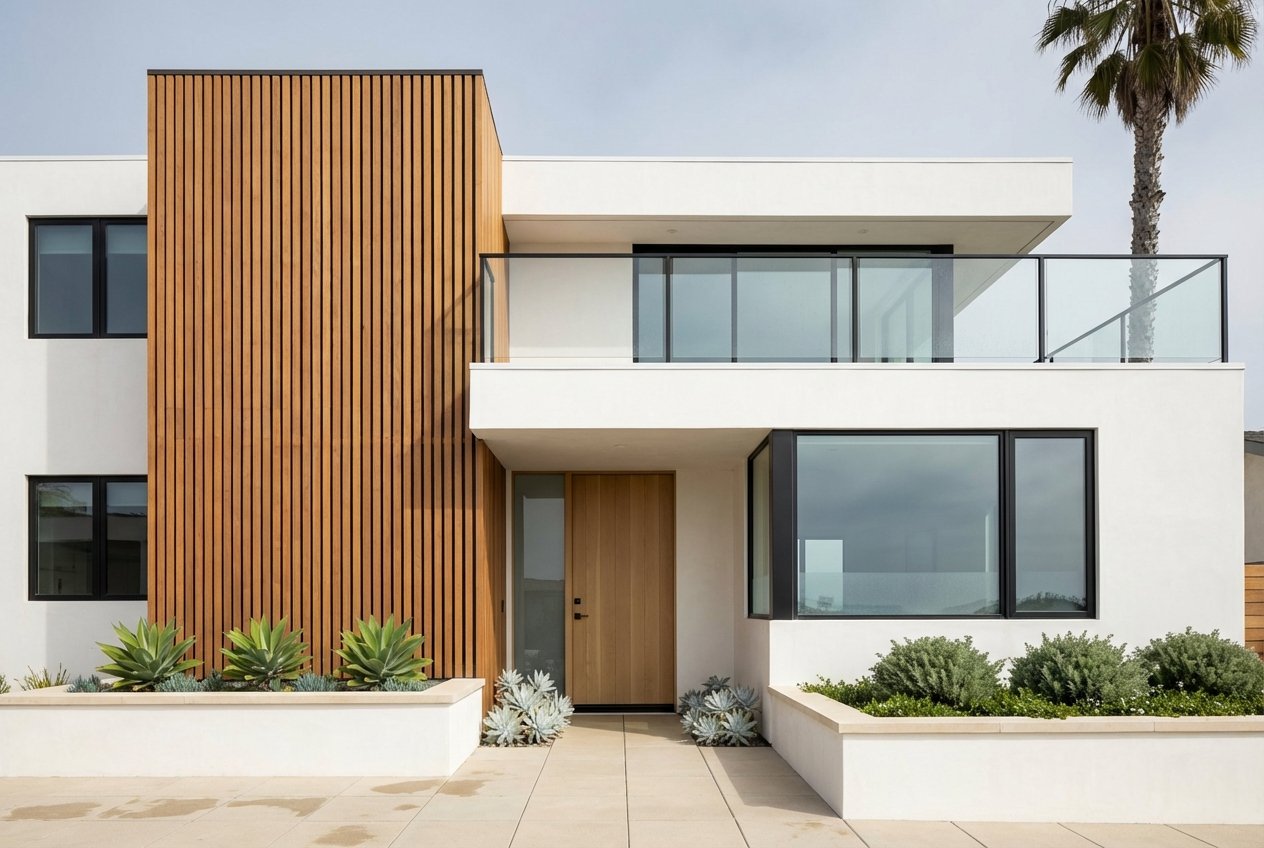
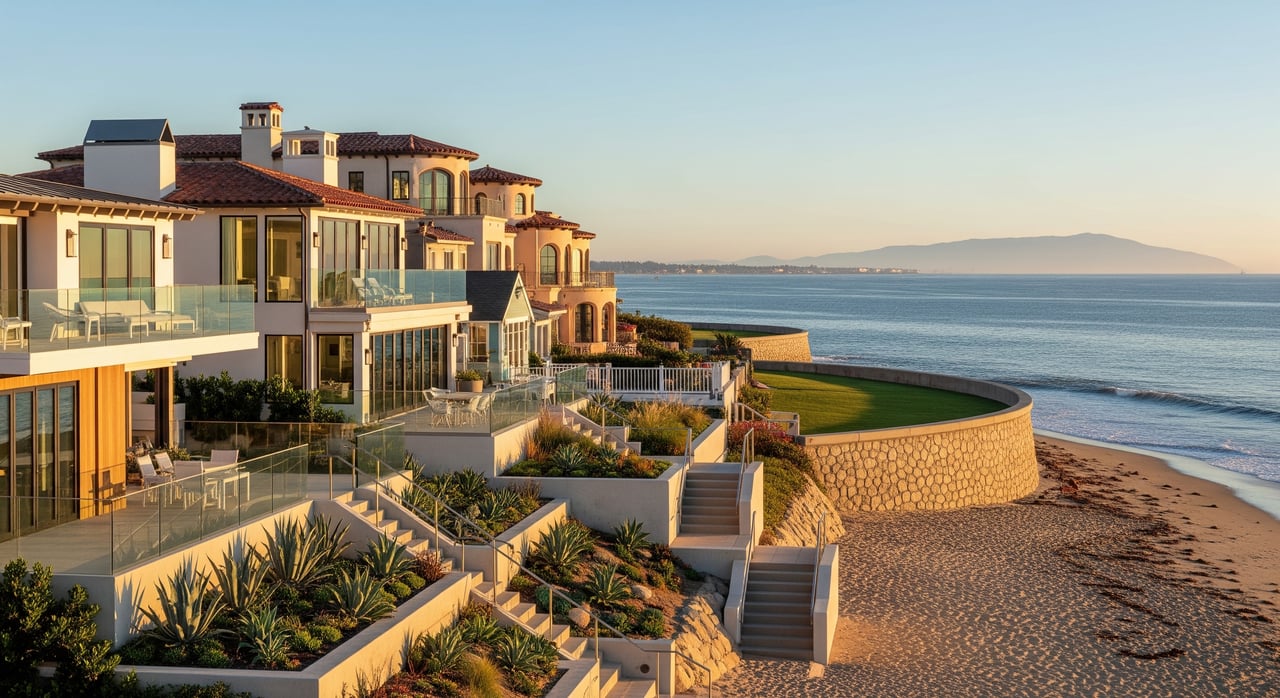
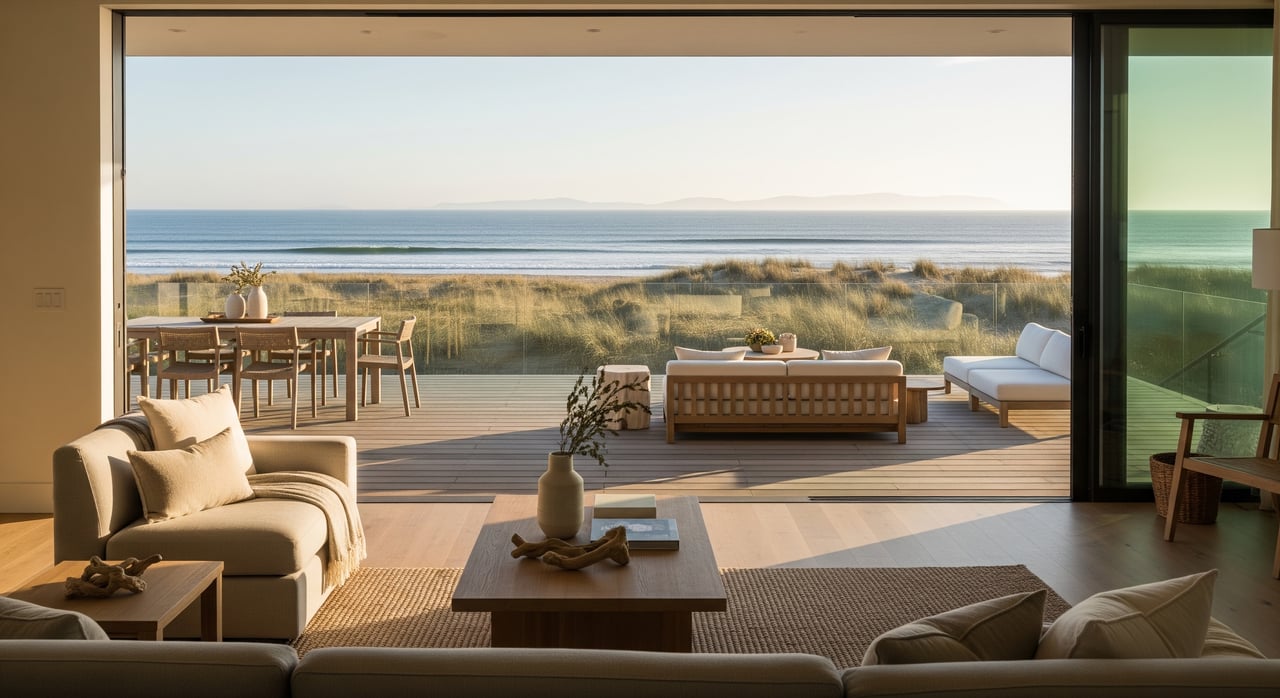
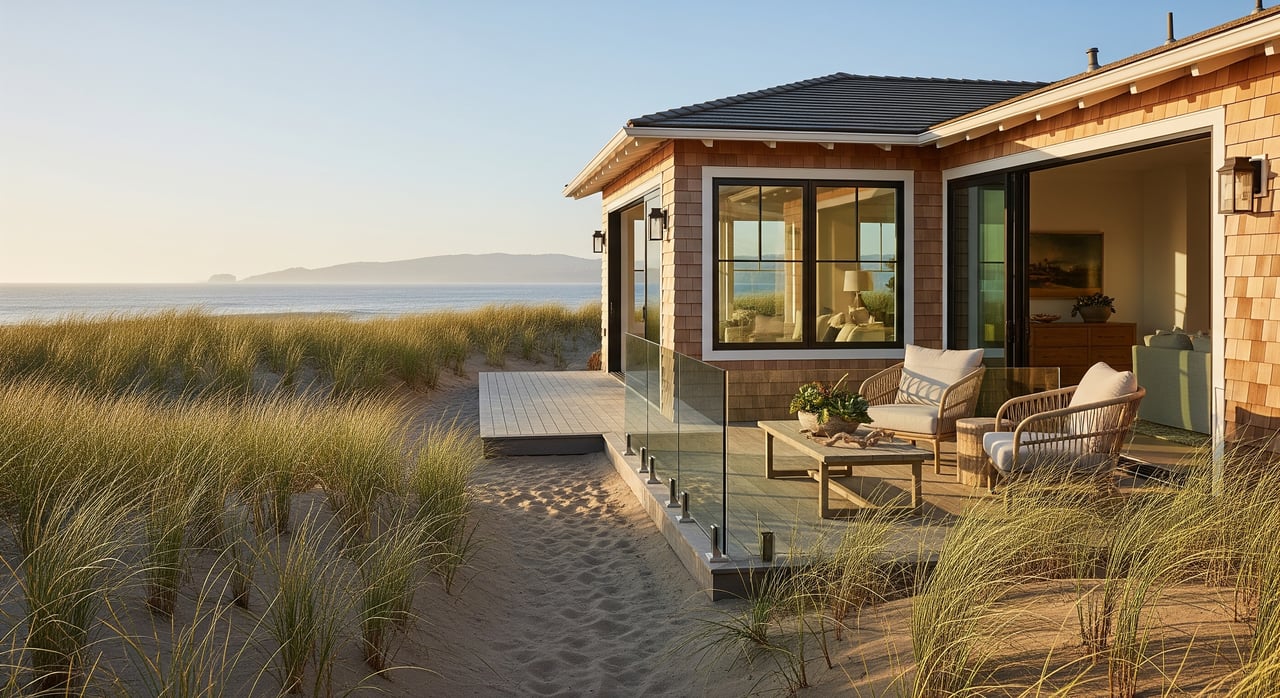
Oceanfront homes sit on the sand or along bluff edges with direct beach access or immediate frontage. Some are modern custom builds, while others are classic beach cottages.
- What to know:
- Exposure to salt, wind, and storms means higher maintenance.
- Bluff stability and erosion matter if the lot sits on a cliff.
- Renovations or rebuilds may require a Coastal Development Permit.
- Buyer and seller tips:
- Confirm whether the home is truly oceanfront or simply ocean view.
- Ask about parking, beach access, and any setback limits.
- Check permit history before you plan additions.
Beachfront and near-beach condos or townhomes
These buildings are on or near the sand and often include shared amenities. HOAs handle exterior maintenance, which is valuable along the coast.
- What to know:
- Review HOA rules, reserves, and recent exterior or structural projects.
- Ask about parking, guest access, and short-term rental policies.
- Understand what the HOA master policy covers versus your own policy.
- Buyer and seller tips:
- Request CC&Rs, budgets, and reserve studies.
- Expect higher dues for coastal upkeep.
Harbor, marina, and canal-front properties
Homes and condos along Ventura’s harbor or canal system offer boating access without open-ocean exposure. Some include docks or nearby slip rentals.
- What to know:
- Clarify if a boat slip is deeded or leased.
- Ask about harbor authority rules, fees, and maintenance obligations.
- Tides and wake conditions differ from open ocean but still affect mooring.
- Buyer and seller tips:
- Get documents that outline slip rights and costs.
- Verify navigation and safety requirements for your vessel size.
Bluff and hillside ocean-view homes
These properties sit above the shoreline with panoramic views. They often enjoy more protection from waves but still face coastal conditions.
- What to know:
- View preservation and setbacks can limit new structures.
- Additions may require geotechnical reports and permits.
- Drainage and slope management are critical.
- Buyer and seller tips:
- Ask for any past geotechnical or engineering reports.
- Look for erosion mitigation and slope monitoring records.
Historic cottages and older coastal homes
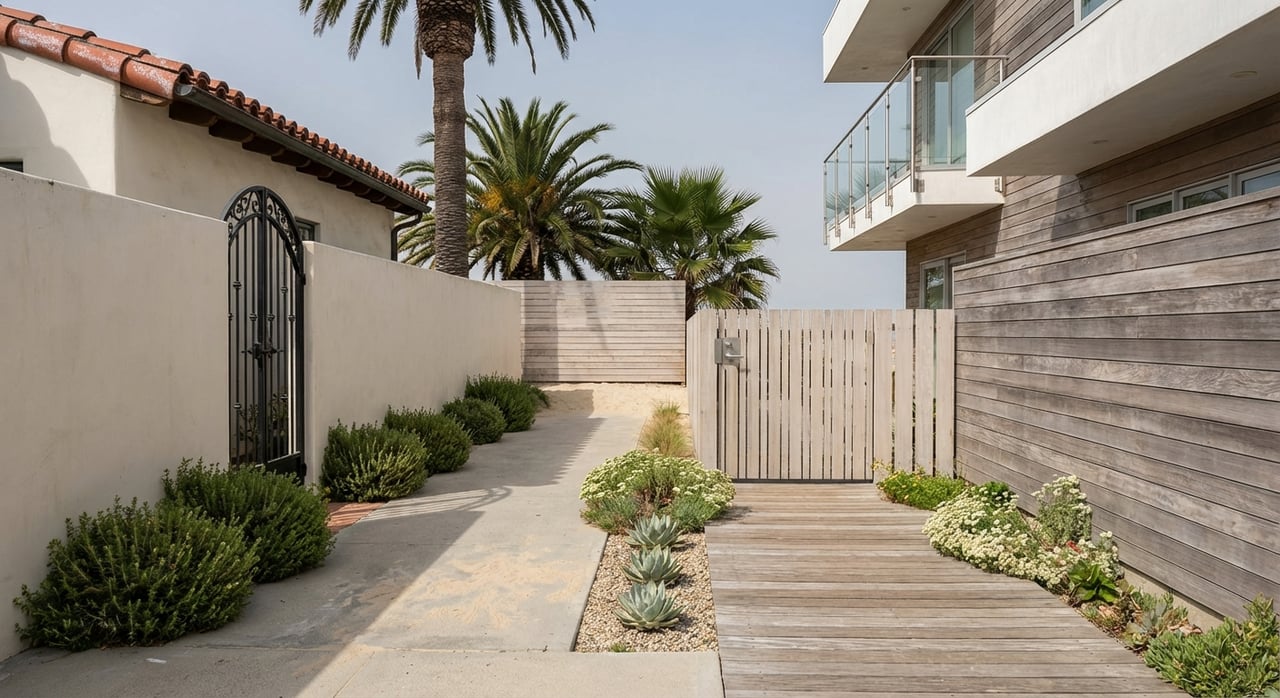
Vintage cottages and Craftsman-style homes near the beach or downtown deliver charm. Many need updates after decades in the salt air.
- What to know:
- Older electrical, plumbing, foundations, and seismic retrofits may be needed.
- Moisture and ventilation issues are common.
- Some areas may have historic-related restrictions.
- Buyer and seller tips:
- Order a detailed inspection focused on systems and foundation.
- Disclose major repairs and permits to support buyer confidence.
Manufactured and mobile homes near the coast
Coastal-adjacent areas may include manufactured housing or mobile home parks. Tenure varies by park, from owned lots to land leases.
- What to know:
- Financing and insurance differ from site-built homes.
- Park rules affect occupancy and improvements.
- Flood and storm exposure still apply.
- Buyer and seller tips:
- Verify lease terms, rent increases, and park approval steps.
- Confirm what insurance the lender requires.
Vacant coastal lots and infill sites
Empty parcels are rare and come with rigorous review. Some lots may suit duplex or small multi-family infill.
- What to know:
- Many projects require Coastal Development Permits and local Coastal Zone compliance.
- Geotechnical conditions, setbacks from dunes or waterways, and parking rules can shape feasibility.
- Sewer access versus septic must be confirmed early.
- Buyer and seller tips:
- Do a pre-application review with the City and gather soil and geotech reports.
- Budget time for environmental review and coastal approvals.
Maintenance and insurance realities
Coastal homes live a tougher life. Plan for shorter lifespans on exterior finishes and mechanicals. The right materials and regular care go a long way.
- Corrosion and materials: Salt air accelerates rust on fasteners, doors, railings, and HVAC. Look for marine-grade hardware, stainless or galvanized metals, fiber-cement siding, and high-quality coatings.
- Moisture and ventilation: Fog and spray increase moisture. Ensure proper flashing, ventilation, and moisture-resistant finishes. Watch for mold in basements, crawl spaces, and bathrooms.
- Foundations and structure: Blufftop and hillside properties often need periodic geotechnical monitoring. Older homes may require seismic retrofits and foundation work.
- Flooding and storm surge: Even outside mapped high-risk zones, storms can cause wave overwash. Check maps and local history, and consider raised living areas where appropriate. Use the FEMA Flood Map Service Center to see flood designations.
- Insurance landscape: Coastal homes may face higher premiums or limited options. Start quotes early and review exclusions for wind, flood, and wildfire. For consumer guidance and updates, visit the California Department of Insurance.
Permits and rules in the Coastal Zone
Much of Ventura’s shoreline falls within California’s Coastal Zone. Projects there must follow the Coastal Act and the City’s Local Coastal Program. Substantial remodels, additions, and new construction may require a Coastal Development Permit.
Smart due diligence checklist
Use this list to move forward with confidence:
- Get a home inspection that focuses on corrosion, moisture, roof, decks, railings, and HVAC.
- For bluff or hillside properties, request prior geotechnical reports and any slope monitoring records.
- Confirm FEMA flood zone status and ask for an elevation certificate if applicable.
- Review HOA financials, reserve studies, CC&Rs, and rental rules.
- Verify permit history with the City of Ventura Planning & Building Division.
- If a boat slip is included, confirm whether it is deeded or leased and request all related agreements.
- Get early quotes for homeowners, flood, and wind coverage through your insurer, and consult the California Department of Insurance for consumer resources.
- Ask for maintenance records on roofs, decks, windows, exterior coatings, and structural repairs.
- For property records and parcel details, check the Ventura County Assessor.
Which home type fits you?
- Lifestyle buyer: If daily beach walks and views are a top priority, start with oceanfront or bluff-view homes. If you want lower maintenance, near-beach condos with strong HOAs can be ideal.
- Boater: Focus on harbor and canal-front homes or condos with slip access. Verify slip rights, fees, and navigation details early.
- Investor: Consider near-beach condos or harbor units that offer steady demand. Confirm short-term rental rules, HOA policies, and insurance costs before underwriting income.
- Seller: Gather permits, inspections, and maintenance records now. Clear documentation builds buyer trust and can support top-dollar marketing.
When you are ready to compare specific neighborhoods or set up tours, connect with a local coastal specialist who understands Ventura’s shoreline rules and micro-markets. For personalized guidance on buying, selling, or property management, reach out to Stark Realty Inc..
FAQs
What is the difference between oceanfront, ocean view, and near-beach homes in Ventura?
- Oceanfront has direct beach or shoreline frontage, ocean view is set back with views, and near-beach is within an easy walk but not on the water.
How much more do oceanfront or harborfront homes typically cost?
- They usually trade at a premium over inland homes due to views, location, and limited supply, though exact pricing depends on the specific property and market conditions.
What inspections should I order for a Ventura coastal property?
- A general inspection with extra attention to corrosion, moisture, roof, decks, railings, HVAC, and, for bluffs, geotechnical conditions and foundation stability.
Will I need flood insurance for a Ventura coastal home?
- If the property lies in a Special Flood Hazard Area, lenders typically require it. Check the FEMA Flood Map Service Center to confirm the flood zone.
What permits are required to remodel in Ventura’s Coastal Zone?
Are short-term rentals allowed in Ventura’s coastal neighborhoods?
- Rules vary and may change. Verify current City regulations and HOA policies before making rental plans.
How do sea-level rise and bluff erosion affect property value and insurability?
- They can influence future permits, maintenance costs, and insurance availability. Review NOAA Sea Level Rise resources and consult your insurer early.
What materials and maintenance help coastal homes last longer?
- Marine-grade metals, fiber-cement siding, high-quality exterior coatings, and regular upkeep of decks, railings, windows, and HVAC in salt conditions.
How do HOA rules impact coastal condos and townhomes?
- HOAs set rules on maintenance, rentals, pets, and improvements, and dues fund reserves for coastal wear. Review CC&Rs, budgets, and reserve studies.
Buying a property with a boat slip: what should I ask?
- Confirm whether the slip is deeded or leased, review fees and rules, and verify any harbor authority requirements that apply to the slip and vessel.