
Port Hueneme Rental Strategies to Maximize Long-Term Returns
January 15, 2026
January 15, 2026
Want consistent rental income from a beach city without losing sleep over vacancies or compliance? If you own or plan to buy in Port Hueneme, you sit at the intersection of steady local demand and coastal regulations that reward careful planning. In this guide, you’ll learn how to underwrite your numbers, choose the right upgrades, and navigate California rules so you can build durable, long-term returns. Let’s dive in.
Port Hueneme benefits from a stable tenant base. The presence of Naval Base Ventura County brings a steady flow of military personnel and civilian contractors, while nearby jobs in Oxnard and Ventura add commuter demand. This creates reliable year-round interest in well-kept long-term rentals.
You also have coastal amenities that attract lifestyle renters who work locally or commute to greater Ventura County and parts of Los Angeles County. Expect baseline stability with some seasonal movement. The key is to buy and operate with a long view.
Most California rentals are subject to the Tenant Protection Act. The state rent cap limits annual increases to 5% plus regional CPI, up to a 10% maximum in any 12-month period. You can review the rent cap in the state code under the Civil Code Section 1947.12. Many properties are also covered by just-cause eviction protections. See the state’s just-cause protections in Civil Code Section 1946.2.
Some housing types are exempt under specific conditions. Always confirm coverage before setting increases or issuing notices.
City rules can be stricter than state law. Before you buy or convert, check Port Hueneme’s municipal code and Planning Department for:
Confirm details directly with City Planning. Rules can change and coastal locations often add extra steps.
Port Hueneme sits within California’s coastal zone, so projects can be affected by local coastal development rules and state policies. Review guidance from the California Coastal Commission before planning expansions or ADUs near the shoreline.
Some properties are in special flood hazard areas. Check the FEMA Flood Map Service Center and budget for flood insurance if required. Factor salt-air exposure into maintenance planning.
California requires specific disclosures and safety standards. Common items include lead-based paint disclosures for homes built before 1978, natural hazard disclosures, and compliance with smoke and carbon monoxide detector requirements. Keep security deposits within state limits and follow all notice timelines. Use a fair housing compliant, consistent tenant screening process.
Coastal Southern California markets often trade at higher purchase prices and lower cap rates than inland areas. Sound underwriting matters.
Rule of thumb: the 1% rent-to-price ratio is rarely achievable in coastal California. Expect lower ratios, often in the 0.4% to 0.8% range, depending on property type, condition, and location.
Budget these typical costs:
Stress-test your numbers at conservative rents, with higher insurance assumptions, and include a vacancy allowance. Your goal is resilient cash flow that still pencils if rates rise or expenses jump.
Focus on structurally sound properties with limited deferred maintenance and a location that supports stable tenant demand. Proximity to the naval base, regional employers, and everyday amenities helps. If you plan to scale, small multifamily (2 to 4 units) can improve per-unit efficiency and stabilize income.
Upgrades that justify higher rent and reduce turnover often include kitchen and bath refreshes, durable flooring, modern appliances, and stain-resistant paint. Energy and water efficiency features, like LED lighting, smart thermostats, and low-flow fixtures, can lower ongoing costs and appeal to tenants in California. Pet-friendly touches and practical parking or storage can also improve retention.
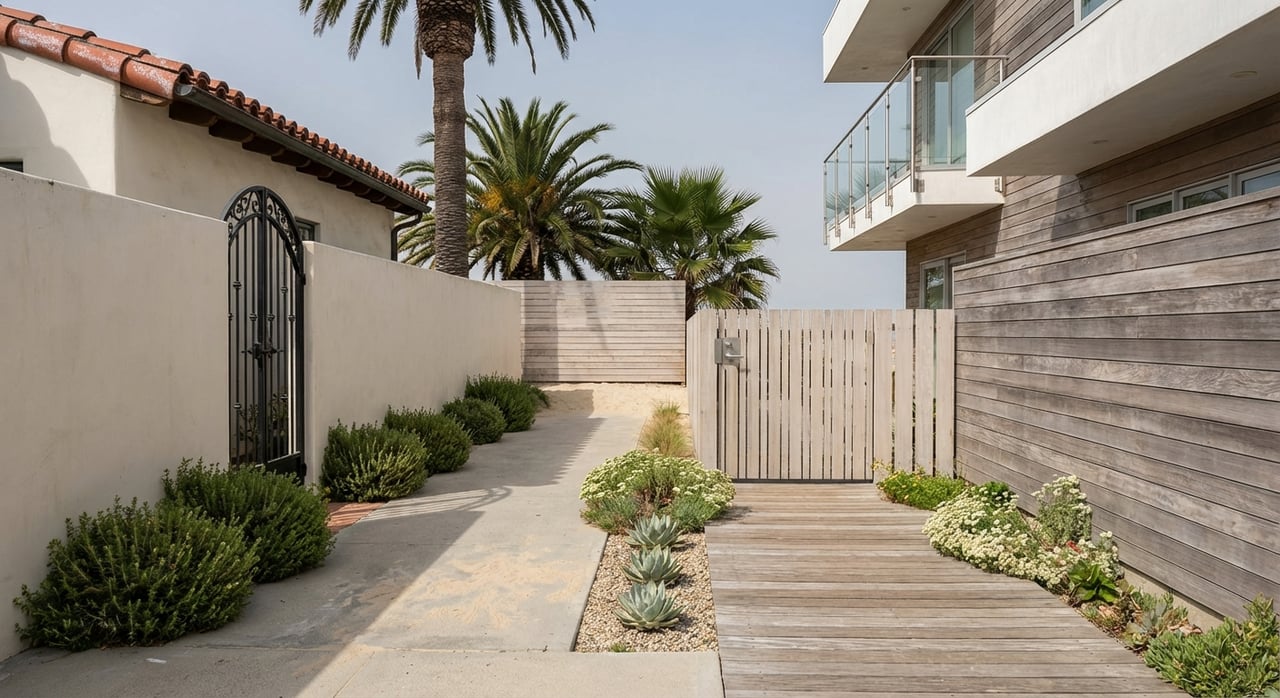
Use drought-tolerant landscaping to limit water bills and boost curb appeal with minimal upkeep.
Use clear, compliant leases with 12-month terms and built-in annual increases aligned with state law. Offer renewals with modest, market-justified adjustments and respond quickly to maintenance. Consistent, fair screening and strong communication go a long way toward lower turnover.
Decide whether to self-manage or hire a professional manager. A good manager can reduce vacancy, keep you in compliance, and streamline maintenance, which can improve net returns even after fees. Use online rent collection and maintenance tracking to speed cash flow and accountability. Build a preventative maintenance calendar to avoid avoidable capital surprises.
An Accessory Dwelling Unit can meaningfully increase income on the same lot. Review state guidance on ADUs through the California Department of Housing and Community Development and confirm Port Hueneme’s local and coastal zone requirements before you design. Model construction cost, utility connection fees, parking standards, and a realistic rent for the ADU to ensure the numbers work.
For investors, conventional loans usually require larger down payments and have different rates than owner-occupied loans. DSCR loans and portfolio lenders can underwrite to rental income and can be useful for small multifamily. Rate environment matters. Run sensitivities on interest rates and consider refinancing only when debt savings or cash-out proceeds exceed costs and risk.
Your total return includes cash flow, appreciation, and tax benefits. Use depreciation appropriately, and consider cost segregation on larger rehab projects to accelerate tax benefits. When selling, a 1031 exchange can defer capital gains into a replacement property if you meet all rules. Review the IRS overview of like-kind exchanges and consult a CPA.
California’s Prop 13 limits annual assessed value increases and affects long-term holding decisions, while Prop 19 changed certain parent-child reassessment rules. Factor both into exit timing and estate planning.
Common risks include regulatory changes, natural hazards specific to coastal zones, shifts in local employment, and rising insurance or maintenance costs. Reduce surprises with thorough diligence and conservative assumptions.
Use this checklist before you buy or reposition:
Coastal cities in Southern California typically show lower cap rates than inland markets, especially near the beach. Focus on total return rather than only current yield. Your plan should combine steady rental income, targeted improvements, tax benefits, and long-term appreciation potential.
To set expectations, compare recent sales and rent comps for similar properties in Port Hueneme and nearby Oxnard or Ventura. Look for true apples-to-apples comparisons and verify assumptions with current data before you write an offer.
If you want a local partner to help you source, underwrite, and manage a Port Hueneme rental, connect with our coastal team. We combine neighborhood expertise with professional property management to help you optimize income and protect your asset. Reach out to Stark Realty Inc. to talk strategy or get your free home valuation.
Stay up to date on the latest real estate trends.







Stark Realty Inc. offers Oxnard and Ventura coastal expertise, decades of local service, and comprehensive support—homes, rentals, land, and auctions. Let them guide your real estate journey with integrity, knowledge, and community-centered care.